


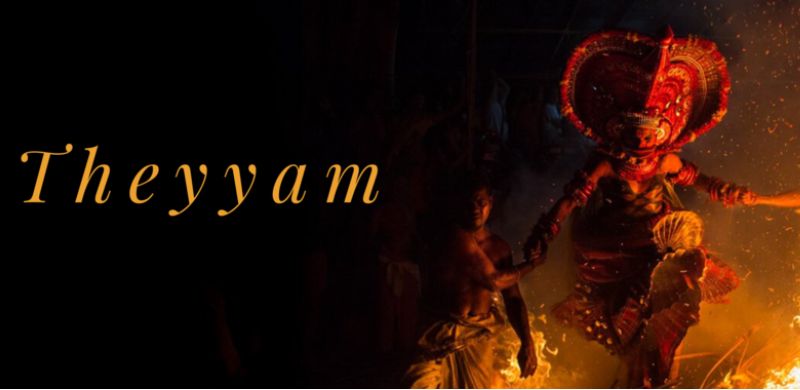
Theyyam Festival:
The Mystical Art of Theyyam: Investigating the Spiritual and Cultural Importance of This Ancient Kerala Tradition
Theyam represents more than just a performance. It's a religious ceremony, a form of worship, and an intriguing cultural practice from Kerala, India. Theyyam is a powerful expression of devotion and celebration of local deities, with roots dating back centuries in religious and cultural history. Theyyam, with its vibrant performances, mysterious costumes, and highly spiritual undertones, provides a window into the soul of Kerala's indigenous culture.
What is theyyam?
Theyam, also known as "Theyyaattam," is a ceremonial art form that combines dance, music, and colourful costumes. Theyyam originated in the northern portions of Kerala, particularly in the Malabar region, and has a unique blend of religious and cultural significance. The performers, who are frequently said to be possessed by deities, take on the forms of spirits and gods while they perform. The term "Theyya" refers to deity or spirit, while "attam" refers to dance or performance, emphasising the divine link at the centre of the ritual.
The Cultural Significance of Theyyam
Theyyam is an important part of Kerala's culture. It's not just a performance; it's a communal event that pulls everyone together. Theyyam is rooted in the region's history and mythology, and it is frequently performed in temples and sacred forests, with local populations actively engaging in the rites. What distinguishes Theyyam is its profound connection to the land and its people. The rites and stories presented through Theyyam are deeply rooted in local culture and traditions, frequently narrating tales of revered local gods, heroes, and spirits.
Spiritual Essence of Theyyam
Theyam is fundamentally spiritual, providing a link between the human and divine realms. During the performance, the performer is thought to be possessed by the god or spirit they represent. This possession is viewed as an act of divine grace, in which the performer serves as a conduit for the deity's will. Theyyam is often used as a type of prayer. People seek blessings, settle disputes, and request protection or prosperity. The link between performer, deity, and devotees is a holy bond that extends beyond the physical environment.
The spiritual essence of the rituals underpinning the Theyyam performance.
There are various religious ceremonies performed prior to the grand performance. The performer receives extensive purification and preparation. This includes fasting, praying, and doing symbolic acts to invite the god or spirit they will channel. The performer is costumed in extravagant clothes and makeup, which represent the deity's powers and qualities.The rites are not just for the performer; devotees also participate in the process. To guarantee that the rite is successful, they offer flowers, light lamps, and say prayers. This shared community experience is fundamental to Theyyam's spiritual essence.
The Costumes and Makeup
The lavish costumes and makeup are among the most visually appealing parts of Theyyam. The outfits are brilliantly colourful, frequently containing features like feathers, shells, and ornate jewellery. The performer's face is painted with vibrant patterns and symbols that signify the deity they represent. The colours and designs have special connotations, with many indicating strength, protection, and heavenly might. Makeup is more than just an aesthetic choice; it is also a powerfully symbolic gesture. Each paint stroke and piece of fabric has value and is considered sacred. The actor spends hours creating their costume, ensuring that every detail is in line with the spiritual essence of their role.
Types of Theyyam
There are several forms of Theyyam, each representing a different god, goddess, or spirit from Kerala's rich mythology. Some of the most prominent versions of Theyyam include the "Rakthakali" (Blood Goddess), "Siva," "Bhadrakali," and "Vishnumaya." Each type of Theyyam includes unique ceremonies, music, and dancing forms that set it apart from the others. The range of Theyyam performances in Kerala reflects the region's unique fabric of beliefs and customs. Each form of Theyyam tells a different story and serves a certain purpose, such as healing, protection, or celebration.
Famous Theyyam Festivals & Events.
Throughout the year, Kerala holds a number of festivals that include Theyyam performances. The most notable events take place in the northern regions, including Kannur, Kasaragod, and Wayanad. Festivals such as "Theyyaattam" are magnificent gatherings that draw thousands of believers to witness celestial performances. These festivities are distinguished by colourful processions, drumming, and, of course, the fascinating Theyyam rites.
How to Experience Theyyam
Kerala provides a variety of chances for people looking to experience the magnificence of Theyyam. The greatest time to witness this art form is during the festival season, which runs from November to April. Visitors can view the performances at temples, sacred woods, and cultural centres. Some festivals also provide workshops and behind-the-scenes visits for individuals interested in learning more about the art form.
Theyam and Tourism in Kerala
Theyam plays an important role in Kerala's tourism economy. Many travellers come to Kerala expressly to see Theyyam, which has become a popular attraction for cultural tourists. As a very spiritual tradition, the experience must be approached with respect and attentiveness. Theyam is more than an art form; it is a live, breathing tradition that has survived for generations. Its combination of dance, music, rituals, and spirituality distinguishes it as one of the world's most distinctive cultural events. Whether you are a native or a guest, experiencing Theyyam is an unforgettable opportunity to connect with the heart and spirit of Kerala.