Rock-Cut Cave

Rock-Cut Cave
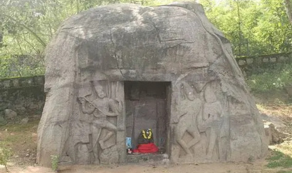
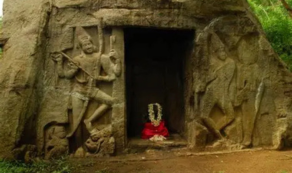
Kerala's ancient Shaivite tradition is shown in sculptures of Hindu deities and writings in Vattezhuthu script found in an 8th-century rock-cut cave near Vizhinjam. Situated in the Thiruvananthapuram district of Kerala, close to the coastal town of Vizhinjam, Vizhinjam Rock-Cut Cave is an intriguing historical landmark that provides an insight into the rich cultural and religious legacy of the area. This little but important cave is well-known for its prehistoric rock-cut sculptures and inscriptions, making it a must-see location for visitors, archaeologists, and history buffs
Historical Importance
The Ay dynasty, a well-known royal family in southern Kerala, is thought to have constructed the Vizhinjam Rock-Cut Cave in the eighth century AD. The cave temple is a significant artefact from the ancient history of the area and represents the early Dravidian architectural style. The sculptures and inscriptions discovered inside the cave offer important insights into the cultural influences, artistic movements, and religious customs of that time period.
Features of Architecture.
The Vizhinjam Rock-Cut Cave, which has beautiful rock-cut sculptures and old inscriptions, is small but rich in architectural and historical significance. The sculpture of Lord Shiva as "Dakshinamurthy," which shows Shiva as the ultimate teacher seated in a yogic position and surrounded by his followers in intense concentration, is the most famous piece in the cave. Despite the weathering over time, some sculptures feature representations of Hindu deities like Lord Ganesh and Goddess Parvati, demonstrating the sculptors' exquisite skill and craftsmanship. Ancient inscriptions in the Vattezhuthu script, an early form of Malayalam, are also found in the cave. These inscriptions offer important historical records as well as insights into the sociopolitical and religious milieu of the time. .
Religious and Cultural Significance.
As a place of devotion and pilgrimage, Vizhinjam Rock-Cut Cave has great religious significance. Lord Shiva is portrayed as Dakshinamurthy, highlighting the cave's connection to Shaivism, a significant Hindu sect that regards Shiva as the highest deity. The cave's function as a site of religious activity and spiritual veneration is further highlighted by the presence of other deities within. Beyond its religious significance, the cave has cultural significance. It displays the talent and inventiveness of the area's early craftspeople and bears witness to the rich cultural and architectural legacy of ancient Kerala. The cave preserves the legacy of Kerala's creative and historical traditions and provides a glimpse into the past, making it a priceless cultural asset..
Accommodation and Accessibility.
From Thiruvananthapuram, Vizhinjam is easily reachable by road. Trivandrum International Airport is the closest airport, and Thiruvananthapuram Central is the closest train station. The rock-cut cave and other neighboring sights are easily accessible for tourists thanks to Vizhinjam's excellent local bus, taxi, and autorickshaw connections.
In and around Vizhinjam and Kovalam, there are a variety of lodging choices, from affordable hotels to opulent resorts. Many of these places provide guests with cozy accommodations, contemporary conveniences, and stunning sea views, making their stays delightful and restful.
Information about Visitors
October through March are the finest months to explore Vizhinjam Rock-Cut Cave because of the pleasant, temperate weather that is perfect for outdoor activities and sightseeing. Heavy rainfall during the monsoon season (June to September) might improve the area's natural attractiveness but may restrict certain activities.
By offering comprehensive details about the historical and cultural significance of the cave and its sculptures, hiring a local guide can improve the visitor experience. Additionally, guides can provide information about the larger background of the history and culture of the area..
With its historical significance, antique sculptures, and inscriptions, Vizhinjam Rock-Cut Cave provides tourists with a singular and rewarding experience. The cave offers an intriguing look into Kerala's rich history and creative legacy, whether you are a history buff, a cultural explorer, or an inquisitive tourist. In addition to being an educational experience, a trip to Vizhinjam Rock-Cut Cave offers an opportunity to see the enduring beauty and spirituality of ancient Kerala

My Trivandrum
Rock-Cut CaveGallery